
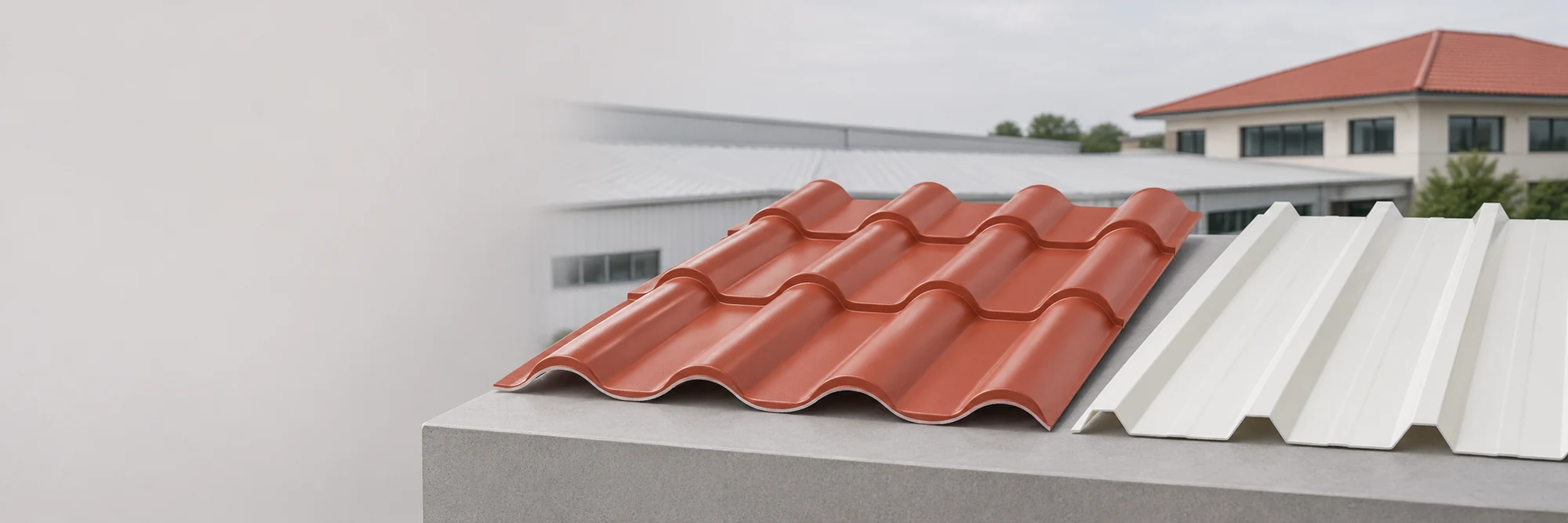
A useful roofing quotation starts with the building, the required profile and the destination—not just a price per square metre.
1. Start with the building
Tell the supplier whether the material is for housing, a workshop, a warehouse or another building type. Share the location, intended roof or wall use, roof drawings where available, and any requirements specified by the project designer. For stock orders, describe the profiles and colors commonly requested in your market.
2. Compare complete specifications
A product name alone is not enough to compare offers. Record the material, profile drawing, total width, effective cover width, thickness and cut length. Ask whether the quoted area is based on total width or effective coverage. For sandwich panels, identify the facing material and core as separate parts of the specification.
3. Include the accessories
Ridge caps, flashings, edge trims, fasteners and sealing components should be considered together with the sheets. Send a drawing or an accessory list so the supplier can identify matching parts. A sheet-only quotation may leave out items needed at the building site.
4. Check the evidence for the selected model
Ask which reports apply to the proposed product. Review the tested sample, date, standard, test items and results in the complete report. A report for one sample does not establish the same performance for every profile, thickness or material in a product family.
5. Make the quotation comparable
Use the same product specification, quantity, accessories, packing requirements, destination and delivery terms when comparing suppliers. Confirm whether freight, taxes and unloading are included. Request a sample or a drawing confirmation before approving a bulk order.
General purchasing guidance. Final product suitability, installation and performance must be confirmed for the selected model and project requirements.
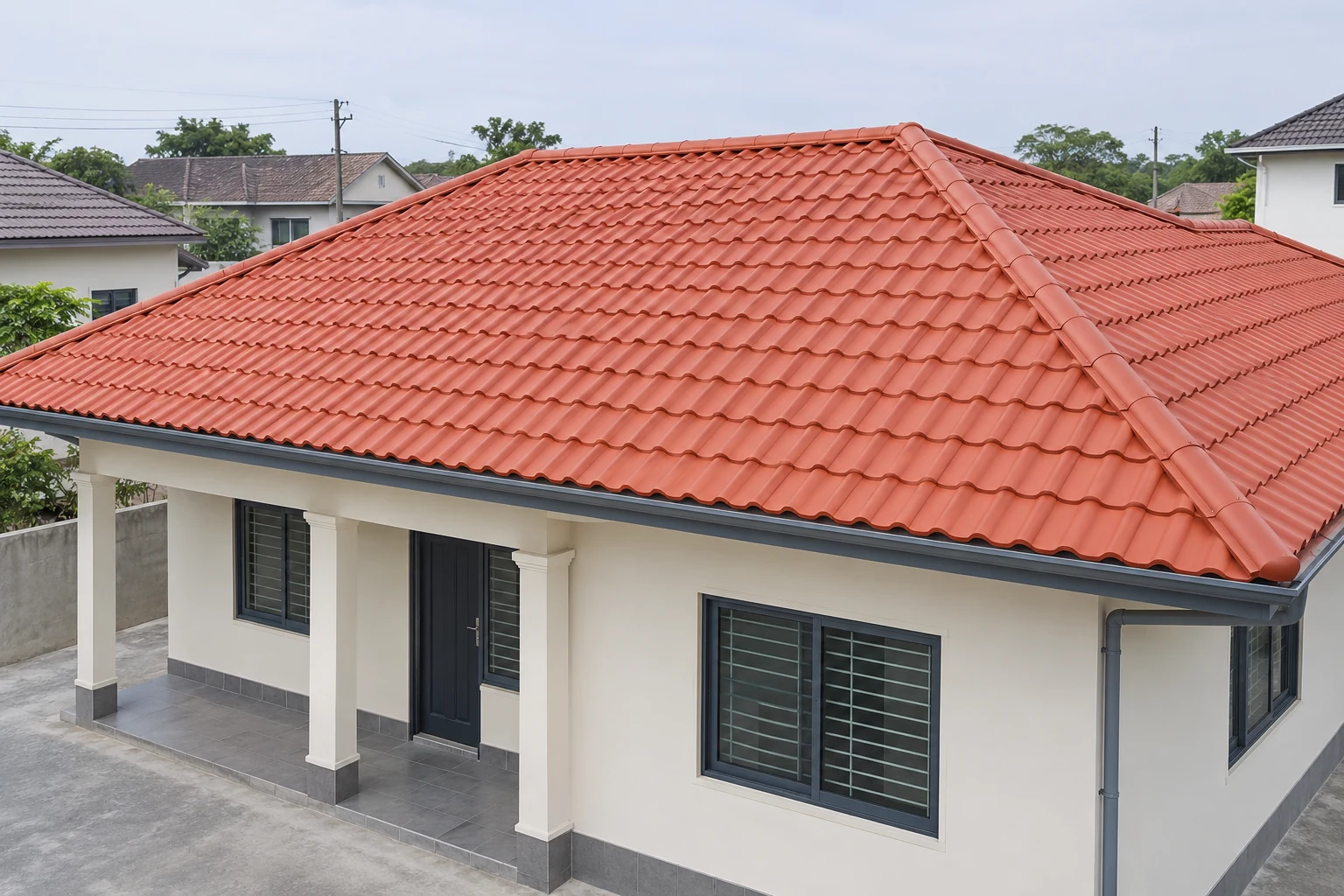
Confirm the roof tile profile, usable coverage and matching parts before comparing an ASA resin roof tile quotation.
1. Confirm the profile and coverage
Request a profile drawing showing total width, effective cover width and the tile-step layout. Confirm the available lengths and any production constraints. Estimate coverage from the selected profile and the planned overlaps, with the final quantity checked against the roof layout.
2. Specify material, thickness and color
Ask the supplier to identify the proposed material structure, including the ASA surface layer where applicable. Record the nominal thickness and the agreed tolerance. Use an approved physical color sample when appearance is important; photographs and screens can show colors differently.
3. Match ridge and edge accessories
A hip roof, gable roof and more complex roof layouts may require different ridge, hip and edge components. Provide the drawing and ask for a matching accessory list. Confirm the fixing and sealing components with the installation instructions for the selected product.
4. Review samples and reports
Check that the sample, drawing and quotation refer to the same model. Where a performance requirement matters, ask for supporting documentation and confirm its scope. Do not infer a service life, fire classification or warranty from a product photograph.
5. Agree on packing and order details
Confirm sheet lengths, quantities by color, accessory quantities and the packing method. Ask for loading information relevant to the order. Keep the approved specification and sample reference together with the purchase confirmation.
General purchasing guidance. Final product suitability, installation and performance must be confirmed for the selected model and project requirements.
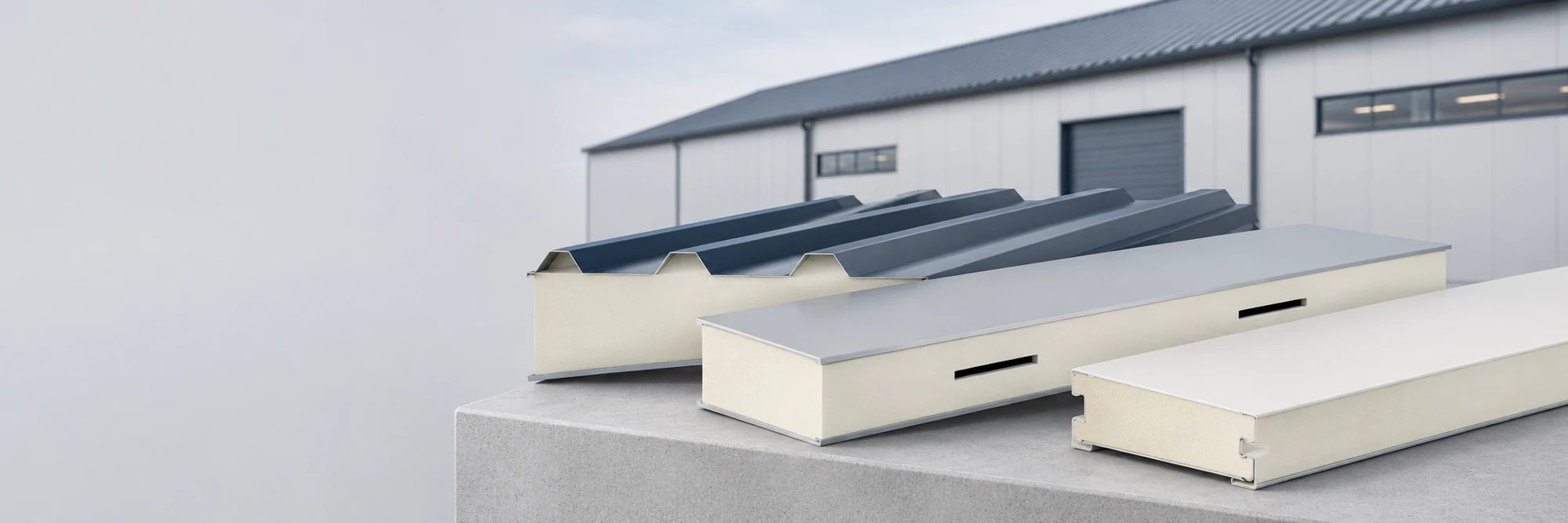
Two sandwich panels with the same overall thickness can have different facings, cores, joints and documented performance.
1. Separate roof and wall requirements
Start with the intended use: roof, external wall, partition or another specified application. Confirm the profile, panel direction, joints and fixing arrangement. A roof panel and a wall panel should not be treated as interchangeable simply because their widths are similar.
2. Specify both the facings and the core
List the metal facing material, facing thickness, coating and finish, together with the core material and overall panel thickness. Where density or other core properties form part of the specification, request the corresponding data. Do not compare panels using overall thickness alone.
3. Use performance documents with the right scope
Ask for the thermal, structural or fire-performance information required by the project. Fire classifications and resistance results depend on the tested product and, where applicable, the complete assembly and installation conditions. A core-material description is not a substitute for the required system evidence.
4. Confirm the joint and support details
Request panel joint drawings, support requirements, fixing details and compatible trims. The project designer should check spans and loads using the applicable product data. Avoid assuming that a thickness or span used on another building is suitable for the new project.
5. Plan handling and packing
Confirm lengths, quantities, protective film requirements where supplied, packing and unloading arrangements. Discuss any limits on transport, storage or handling before finalizing long panels. Keep the approved specification and installation documents with the order.
Further reading: Kingspan: fire performance and system testing. This external reference does not certify ROCROWN products.
General purchasing guidance. Final product suitability, installation and performance must be confirmed for the selected model and project requirements.
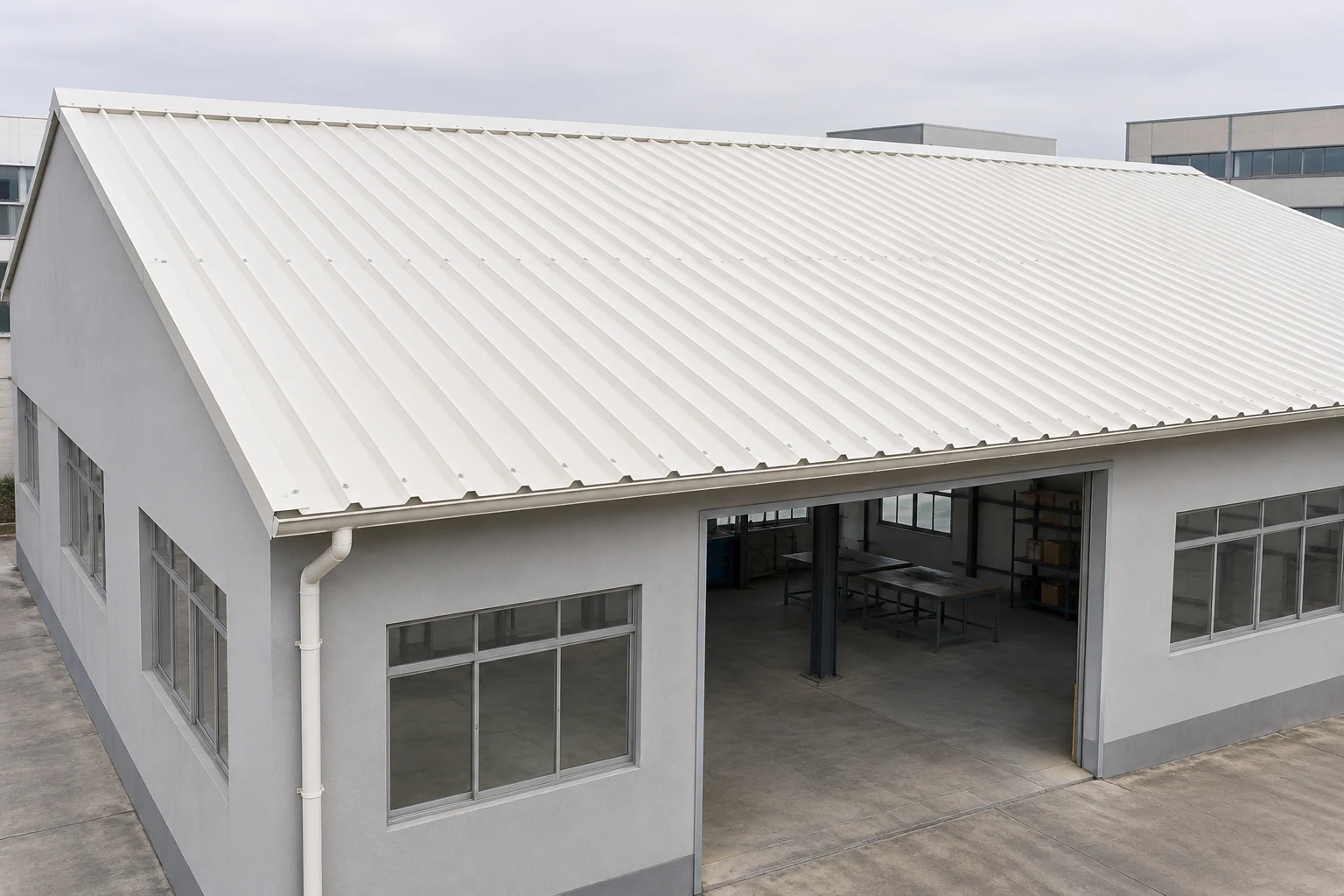
PVC roofing sheets come in different profiles and structures. A clear specification helps avoid ordering a sheet that does not match the intended roof.
1. Identify the structure and profile
State whether you need a solid or hollow sheet, and provide a profile drawing or a sample reference. Record the material designation rather than relying on an informal product name. Confirm that matching accessories are available for the selected profile.
2. Record the dimensions
Ask for total width, effective cover width, thickness, cut length and relevant tolerances. If sheets need to match an existing roof, supply measured dimensions and clear photographs. Similar-looking ribs do not establish that two profiles will fit together.
3. Check the installation requirements
Request the manufacturer’s instructions for the exact product. Support spacing, minimum slope, overlaps and fixing details need to be selected for the sheet and project conditions. Thermal movement must be addressed by the specified fixing method; do not copy hole sizes or screw spacing from another product’s guide.
4. Separate opaque roofing from daylighting needs
Tell the supplier whether the roof needs opaque sheets or a separate daylighting solution. Do not assume that a white sheet transmits light or that all PVC sheets share the same light transmission. Any specified optical performance should be supported by data for the selected product.
5. Prepare an accurate inquiry
Send the drawing, required quantities by length, color, accessories and destination. If the project has chemical exposure or another specific service condition, describe it and request confirmation of suitability rather than relying on a general corrosion-resistance claim.
Further reading: Palram: product-specific PVC sheet guidance. This external reference does not certify ROCROWN products.
General purchasing guidance. Final product suitability, installation and performance must be confirmed for the selected model and project requirements.